





How to Drain Your Lymphatic System: A Complete Guide
The lymphatic system is one of the body’s most essential yet often overlooked networks. Made up of vessels, lymph nodes and organs, it contributes to fluid balance, immune function and the transport of substances throughout the body.
Unlike the cardiovascular system, lymphatic circulation is not powered by a central pump like the heart. Lymphatic flow is supported by muscle movement, breathing, changes in pressure and the natural contractions of the lymphatic vessels themselves. This is why regular movement and gentle body-care rituals can play an important role in supporting the system’s natural processes.
Many people associate slower fluid movement with temporary puffiness, a sensation of heaviness or a less refreshed appearance. While these experiences can have many different causes, consistent movement, sufficient hydration and mindful self-care may help the body feel lighter and more balanced.
Understanding the Lymphatic System and Its Essential Role
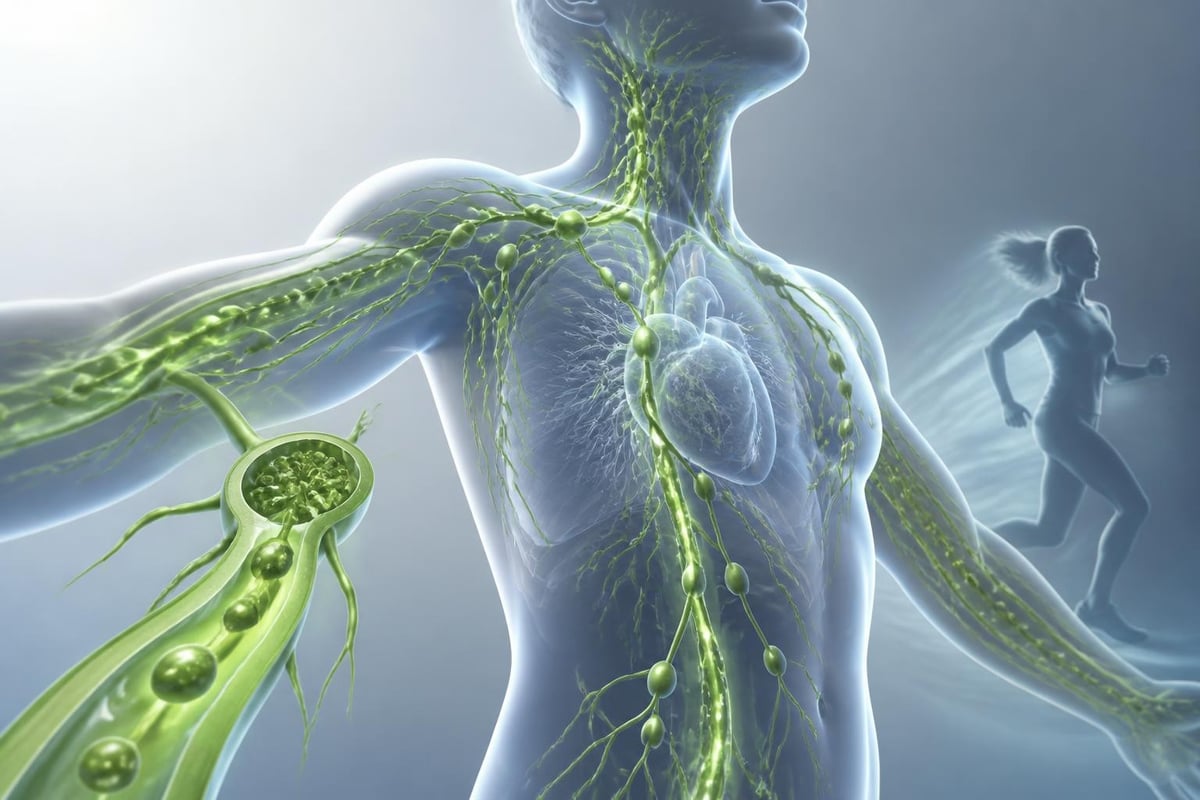
The lymphatic system consists of a complex network of vessels that extends throughout the body alongside the blood vessels. These vessels collect excess fluid, proteins and other substances from the tissues and transport them through the lymphatic system.
Along the way, lymphatic fluid passes through lymph nodes. These small structures contain immune cells and form an important part of the body’s natural defence mechanisms. Lymph nodes are particularly concentrated around the neck, armpits, abdomen and groin.
The lymphatic system therefore fulfils two closely connected functions: it supports fluid balance within the tissues and contributes to immune surveillance. Supporting general circulation through movement, breathing and restorative routines can become a meaningful part of everyday well-being.
Signs Your Lymphatic System Needs Support
Temporary changes in fluid balance can become noticeable in different ways. Common experiences include:
Morning puffiness, particularly around the eyes and face
A temporary feeling of heaviness in the legs
Mild swelling after prolonged periods of sitting or standing
Skin that appears tired or less refreshed
A sensation of tension after travel or physical inactivity
These signs do not necessarily indicate that there is a problem with the lymphatic system. They may also be influenced by sleep, hormones, nutrition, heat, medication, circulation or other individual factors.
Gentle lymphatic care should therefore be understood as a supportive wellness practice rather than a medical treatment.
Persistent, sudden, painful or one-sided swelling should always be assessed by a qualified healthcare professional.
Movement as the Foundation of Lymphatic Flow
Movement is one of the most accessible ways to support normal lymphatic circulation. As the muscles contract and relax, they create pressure around the lymphatic vessels and help encourage fluid movement.
The aim is not necessarily intense exercise. Regular, rhythmic movement is often more valuable than occasional high-intensity sessions. Walking, swimming, stretching and gentle bouncing can all be incorporated into a balanced routine.
Walking and Rhythmic Exercise
Walking is a simple and effective form of everyday movement. With each step, the muscles of the feet, calves and legs contract and relax. These repeated movements support circulation in the lower body, particularly after long periods of inactivity.
A steady walk of around 20 to 30 minutes can be a valuable daily ritual. Allow the arms to swing naturally and maintain a relaxed posture so that the movement involves the whole body.
Swimming is another gentle option. The combination of full-body movement and water pressure creates a supportive environment for circulation. Because the body is held horizontally, swimming can also feel particularly comfortable for people who experience heaviness in the legs.
Rebounding and Gentle Bouncing
Trampoline Workout involves rhythmic movement. The repeated bending and straightening of the legs engages the muscles throughout the lower body and can offer an enjoyable way to add more movement to the day.
Beginners can start by standing on the rebounder and gently shifting their weight from side to side. The next step may be a soft bounce while keeping the feet in contact with the surface. Small jumps can be introduced gradually as confidence and balance improve.
Consistency and comfort are more important than intensity. Even a short session can provide a refreshing movement break, particularly after extended sitting.
Movement Type |
Suggested Duration |
Frequency |
Main Focus |
|---|---|---|---|
Walking |
20–30 minutes |
Daily |
Rhythmic full-body movement |
Swimming |
20–30 minutes |
2–4 times weekly |
Gentle movement with water pressure |
Rebounding |
5–15 minutes |
According to comfort |
Rhythmic muscle activation |
Yoga or stretching |
20–45 minutes |
3–5 times weekly |
Mobility, breathing and relaxation |
These suggestions are general guidelines. The appropriate type and duration of movement depend on individual health, fitness and mobility.
Gentle Manual Techniques and Body-Care Rituals
Touch can create a sense of connection with the body and transform daily care into a mindful ritual. Light massage and dry brushing may complement regular movement by providing gentle mechanical stimulation to the skin.
These practices should remain comfortable and should never cause pain, pronounced redness or irritation.
Dry Brushing Rituals
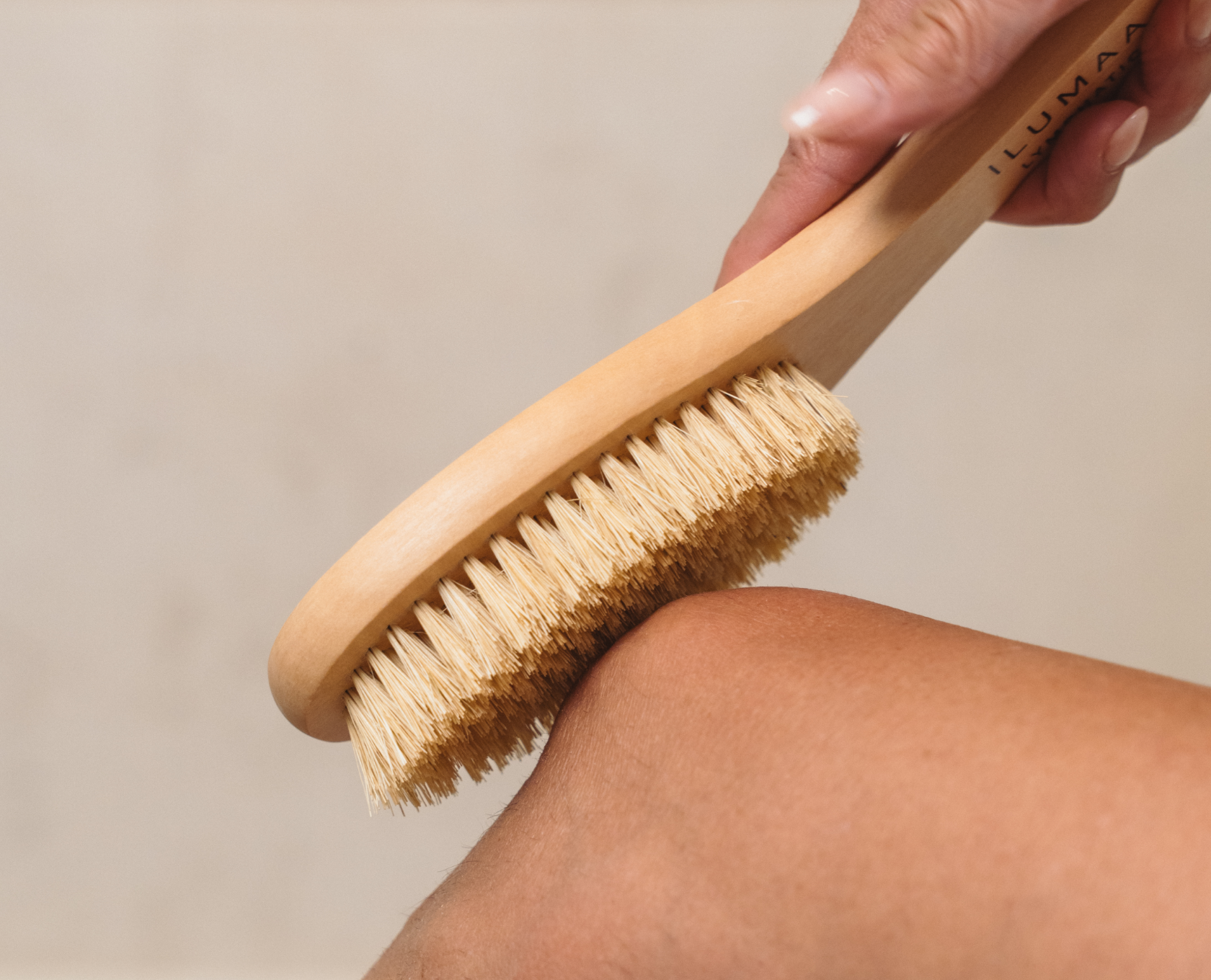
Dry brushing is a traditional body-care practice that uses a dry brush with natural or synthetic bristles. It can help remove loose skin cells and leave the skin feeling smoother and refreshed.
Use the brush on dry, intact skin before showering. Pressure should feel stimulating but comfortable.
A simple dry-brushing sequence may look like this:
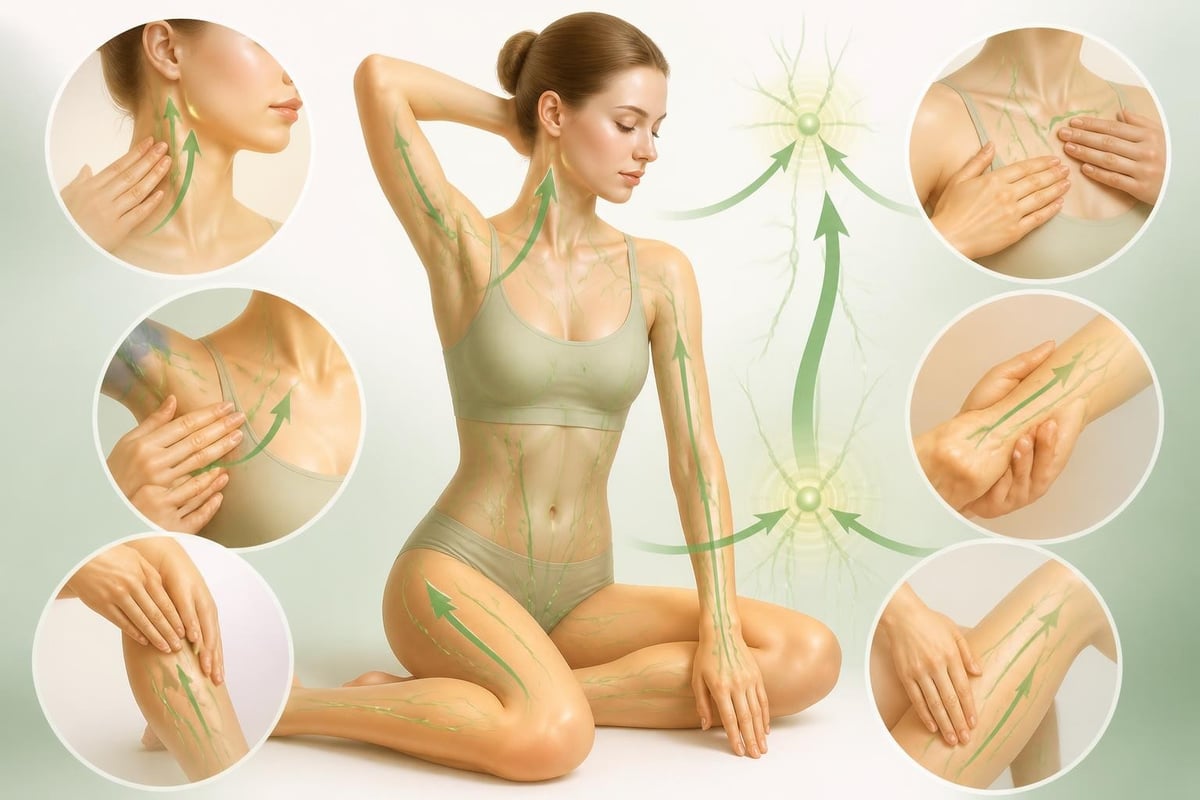
Begin at the feet and use long, gentle strokes up the legs.
Continue from the hands towards the shoulders.
Brush the torso using light, controlled movements.
Use gentle circular motions around the abdomen.
Avoid sensitive, inflamed, injured or irritated areas.
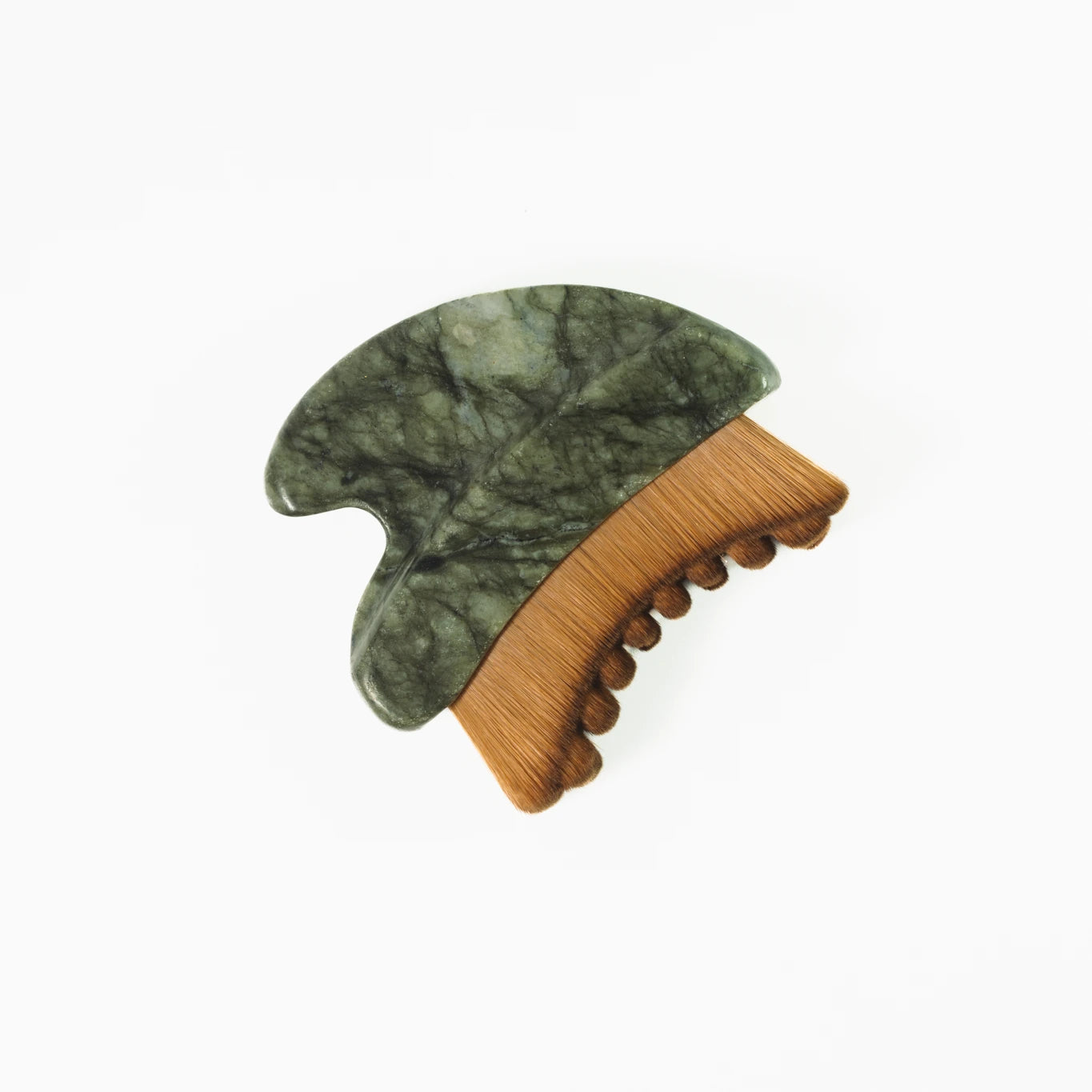
The entire ritual takes five to seven minutes and becomes a meditative practice when performed with intention. ILUMAA's lymphatic brush features ergonomically designed bristles that provide optimal stimulation without irritation.
Self-Massage and Gentle Pressure
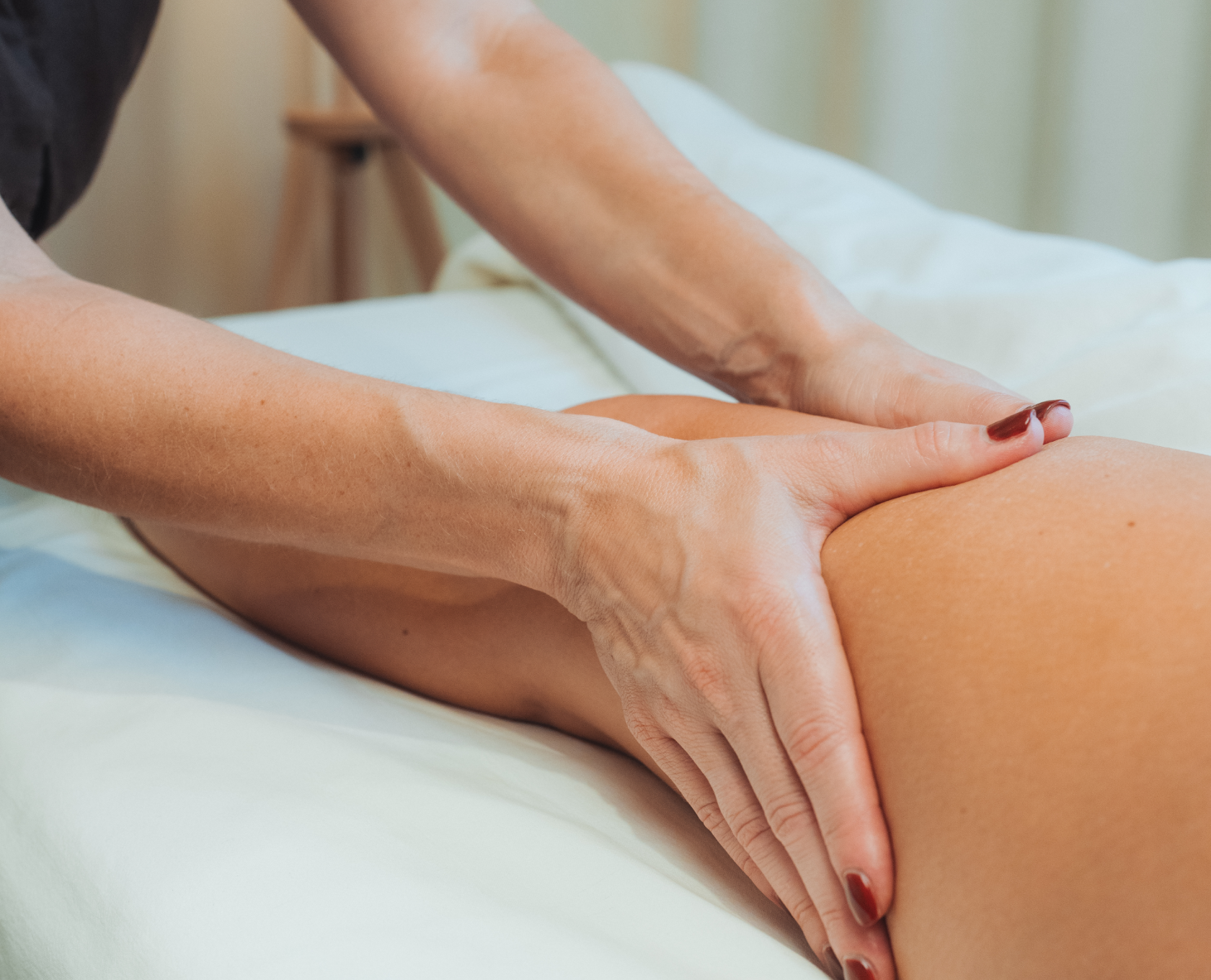
A light self-massage can be incorporated into everyday skin care. The purpose is not to press deeply into the tissues, but to use slow, comfortable movements that encourage relaxation and body awareness.
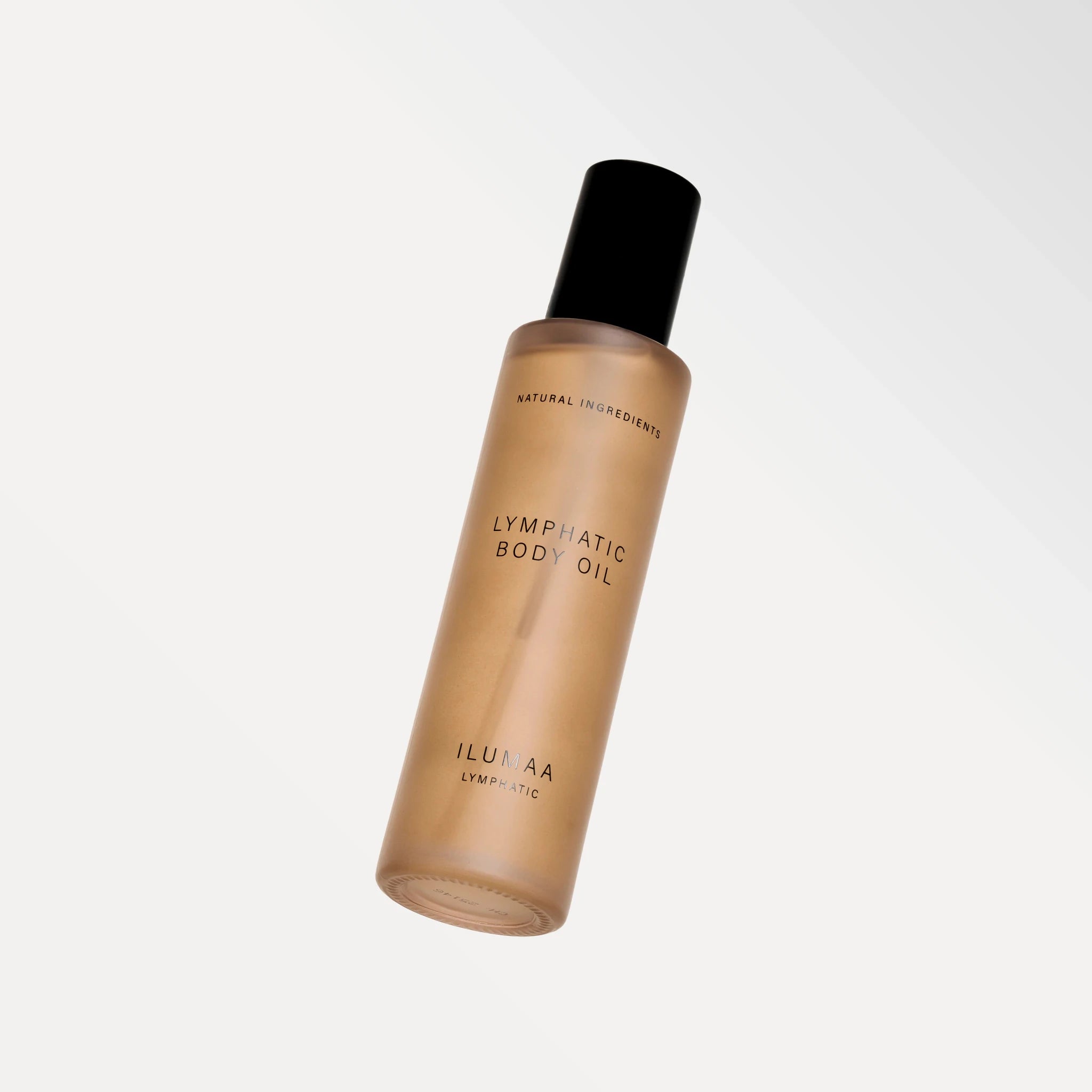
Apply a small amount of body oil and massage the skin using soft, upward strokes. Pay particular attention to areas that feel tense or tired, but avoid massaging regions that are painful, acutely swollen or inflamed.
Professional manual lymphatic drainage is a specialised therapeutic technique. It should be performed by a qualified practitioner or taught individually by a trained professional when medically indicated.
Hydration and Nutrition for Overall Fluid Balance
Hydration supports many normal physiological processes, including circulation and fluid balance. Individual requirements vary according to body size, physical activity, climate, nutrition, pregnancy, medication and health status.
Instead of consuming very large quantities at once, it can be helpful to drink regularly throughout the day. Water and unsweetened herbal tea can both contribute to daily fluid intake.
A glass of water in the morning may be a simple way to begin the day. Lemon can be added for flavour, although it is not required for lymphatic function.
People with kidney, heart or other medical conditions may need individual guidance regarding fluid intake and should follow the recommendations of their healthcare provider.
Foods That Complement a Balanced Lifestyle
No single food can cleanse or drain the lymphatic system. A varied, nutrient-rich diet can, however, support overall health and normal fluid balance.
Helpful components of a balanced diet include:
Leafy vegetables: Provide vitamins, minerals and plant compounds
Berries: Contain a variety of antioxidants
Citrus fruits: Supply vitamin C and other nutrients
Nuts and seeds: Provide unsaturated fats, protein and minerals
Herbs and spices: Add flavour and diversity to everyday meals
Adequate protein: Supports normal tissue maintenance and repair
A very high sodium intake may contribute to temporary fluid retention in some people. Highly processed foods can therefore be enjoyed mindfully and balanced with fresh, minimally processed ingredients.
Nutrition should be viewed as part of a broader lifestyle rather than as a targeted method for altering lymphatic function.
Breathing Practices and Lymphatic Flow
The diaphragm is the large, dome-shaped breathing muscle located below the lungs. When it moves during deep breathing, pressure changes occur within the chest and abdomen.
These natural pressure changes support circulation and may also assist the movement of lymphatic fluid through the trunk. Slow breathing additionally promotes relaxation and can help shift the body into a calmer physiological state.
Diaphragmatic Breathing Practice
A simple breathing practice can be performed once or twice daily:
Lie comfortably on your back or sit in a supported position.
Place one hand on the upper chest and the other on the abdomen.
Inhale slowly through the nose and allow the abdomen to expand.
Keep the shoulders and upper chest as relaxed as possible.
Exhale slowly and feel the abdomen soften.
Continue for five to ten minutes without forcing the breath.
The breath should remain smooth and comfortable. Stop the exercise if you feel dizzy, short of breath or unwell.
This ritual can be especially calming in the morning, after a long day or before sleep.
Lymphatic Body Care and Topical Support
The skin serves as both a barrier and an interface with the lymphatic system. Choosing appropriate topical care products can enhance lymphatic function while nourishing the skin's visible layers. Understanding how to drain your lymphatic system includes recognizing the role of absorption and transdermal support.
The Role of Magnesium
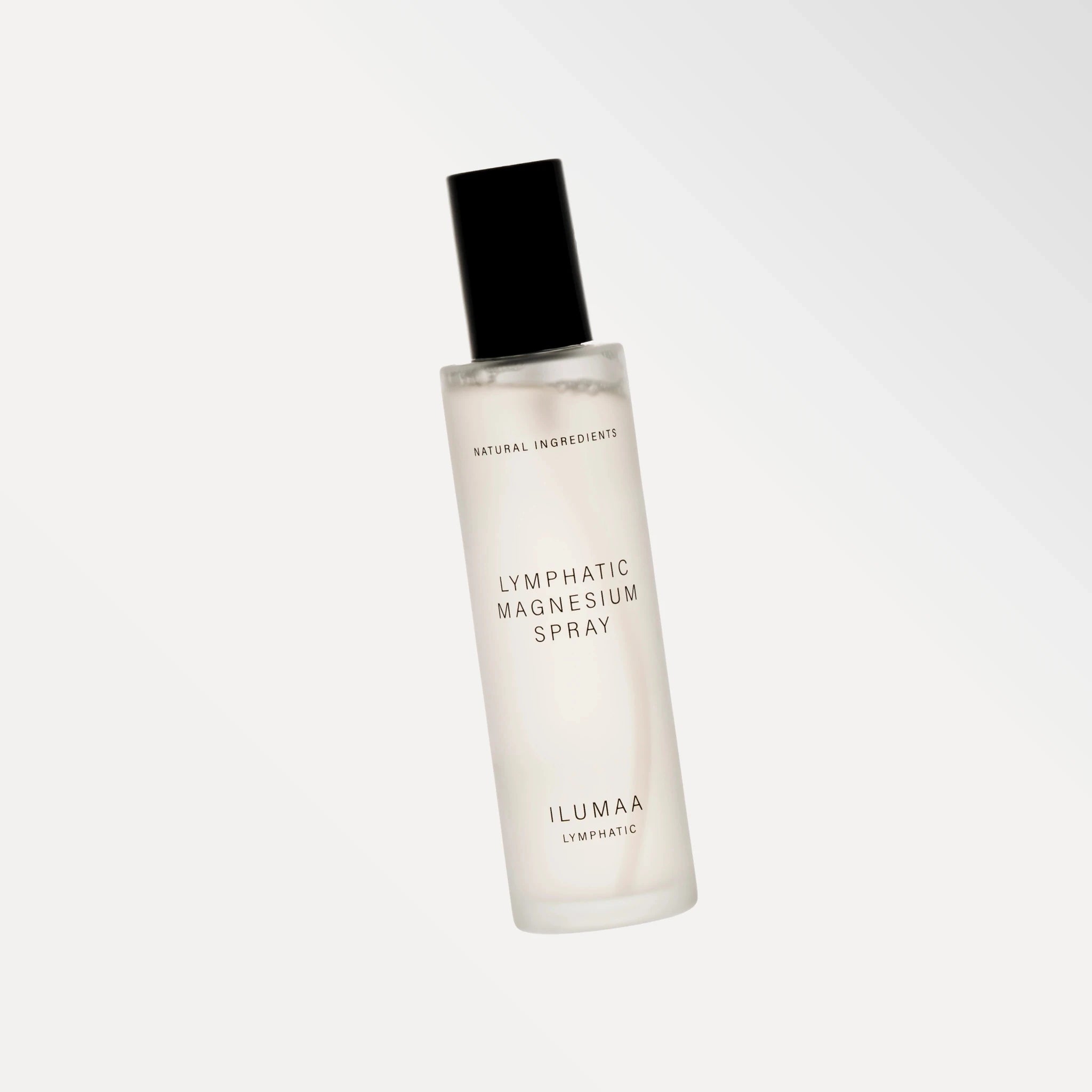
Magnesium plays a crucial role in over 300 enzymatic reactions, including those that govern fluid balance and muscular function. Transdermal magnesium application allows this essential mineral to bypass digestive limitations, delivering support directly where needed. Lymphatic magnesium spray provides concentrated magnesium chloride that can be applied to areas of tension or stagnation.
Apply magnesium spray after showering, focusing on the legs, arms, and areas where you notice fluid retention. The slight tingling sensation indicates active absorption. For sensitive skin, dilute with a small amount of water or follow with a nourishing oil.
Plant-Based Oils and Lymphatic Massage
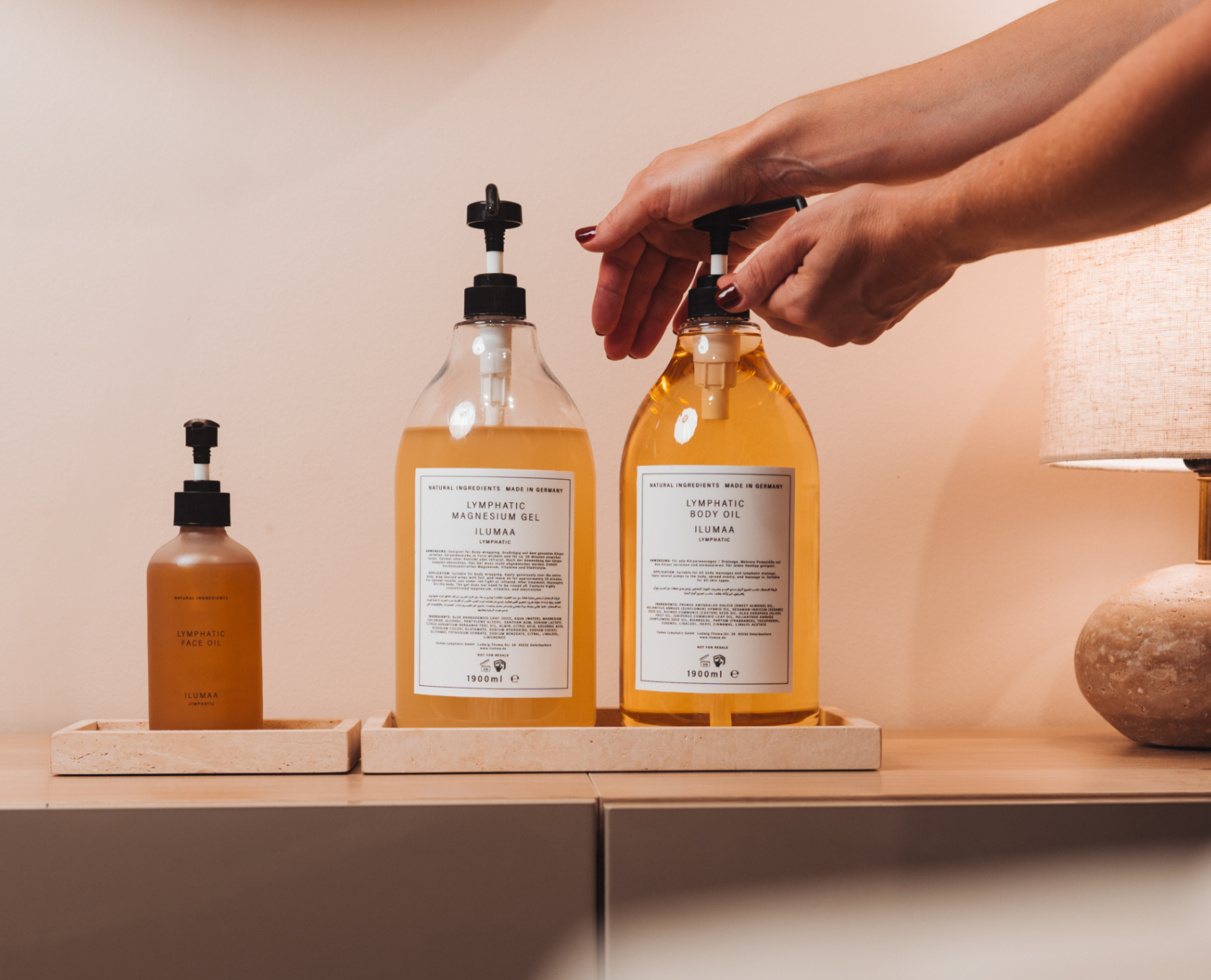
A body oil provides slip for massage while helping to nourish and soften the skin. Waterless oil formulations can be particularly suitable for slow, intentional application because they allow the hands to move smoothly over the body.
Warm a small amount of ILUMAA Lymphatic Body Oil between the palms. Apply it using long, gentle strokes over the legs, arms and torso. The pressure should remain light and comfortable.
The ritual can be especially beneficial after bathing, before bed or whenever the body feels tired after sitting, travelling or exercise.
Product Type |
Application Method |
Ideal Timing |
Primary Benefit |
|---|---|---|---|
Magnesium Spray |
Direct spray to skin |
Post-shower, evening |
Muscle relaxation, fluid balance |
Body Oil |
Upward massage strokes |
After bathing, before bed |
Skin nourishment, manual drainage |
Face Oil |
Gentle upward motions |
Morning and evening |
Facial lymphatic support, radiance |
Alkaline Bath |
Full body immersion |
Weekly ritual |
Deep relaxation, mineral support |
Lifestyle Adjustments for Optimal Lymphatic Function
Beyond specific practices, certain lifestyle modifications create an environment where lymphatic health flourishes naturally. These adjustments often require minimal effort yet yield substantial benefits.
Sleep Position and Quality
Temporary morning puffiness can be influenced by sleeping position, evening nutrition, alcohol intake, allergies, hormones and individual fluid balance.
Some people find that a slightly elevated and comfortable sleeping position reduces the appearance of morning puffiness. The neck should remain properly supported, and additional pillows should not create tension.
Sleep quality itself is also fundamental to recovery. During sleep, numerous regenerative and neurological processes take place. Research into the brain’s glymphatic system suggests that sleep is connected to the movement of fluid and the removal of metabolic substances from brain tissue, although the exact mechanisms in humans continue to be studied.
Aim for a regular sleep rhythm and a cool, quiet and dark environment whenever possible.
Clothing and Compression Considerations
Restrictive clothing, particularly tight waistbands and undergarments, can impede lymphatic flow. Choose garments that allow full range of motion and don't leave deep marks on the skin. However, graduated compression wear designed specifically for lymphatic support can provide therapeutic benefits when used appropriately, particularly during long periods of sitting or standing.
Stress Management and the Lymphatic System
Very restrictive clothing can feel uncomfortable and may leave pronounced marks on the skin. Choose garments that allow comfortable movement and do not constrict the waist, groin, chest or limbs unnecessarily.
Medical compression garments are different from ordinary tight clothing. They are specifically designed to apply controlled pressure and can play an important role in the management of conditions such as lymphoedema.
Compression should be professionally fitted and used according to medical or therapeutic guidance, particularly when persistent swelling is present.
Restorative practices can include:
Slow breathing
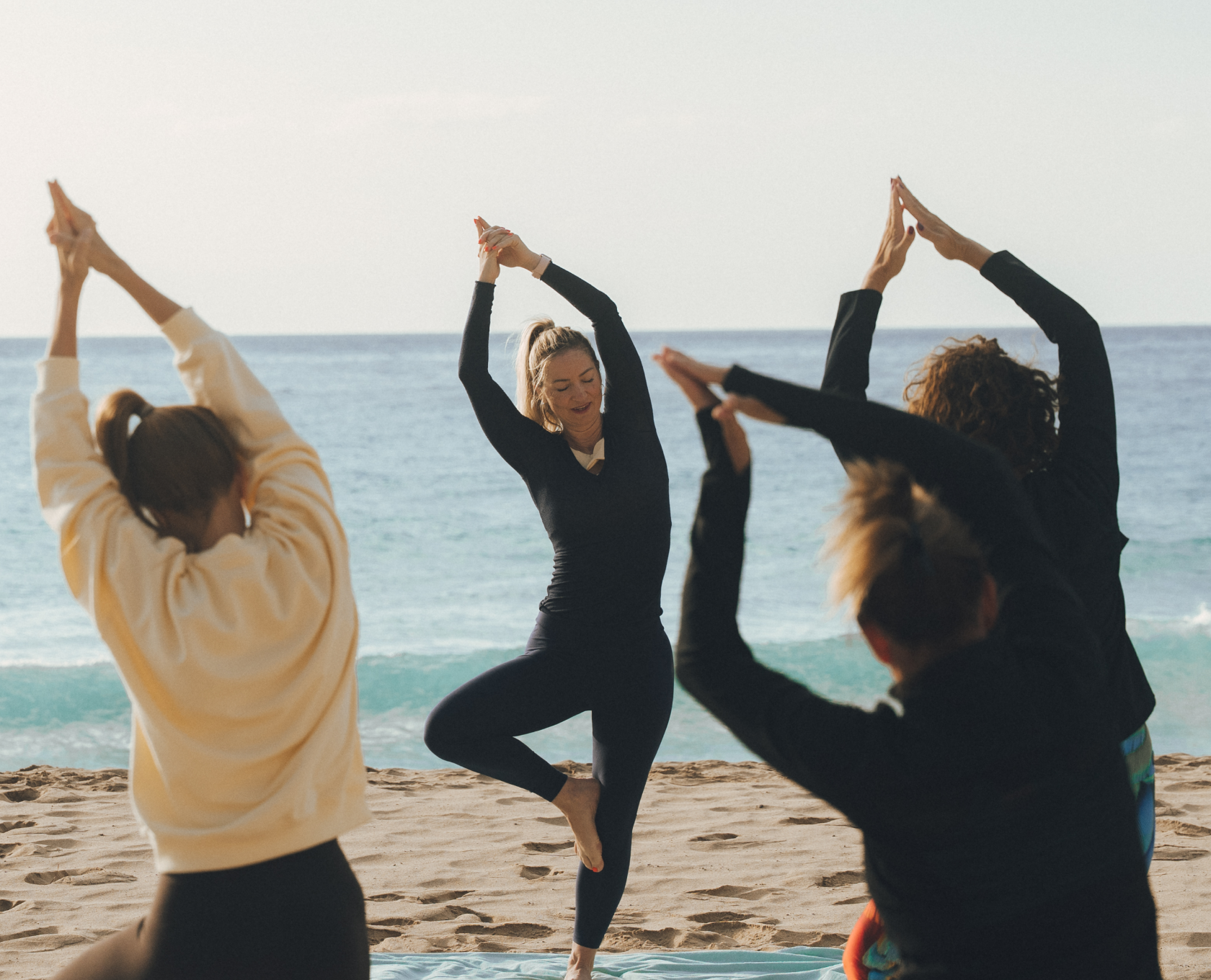
Gentle yoga
Walking outdoors
Meditation
Warm bathing
Creative activities
Regular breaks from prolonged sitting
These practices do not directly treat lymphatic conditions, but they can support a more balanced and sustainable lifestyle.
Advanced Lymphatic Care Techniques
For those seeking to deepen their lymphatic care practice, several advanced approaches offer additional support. These methods often combine multiple modalities for comprehensive results.
Facial Lymphatic Drainage
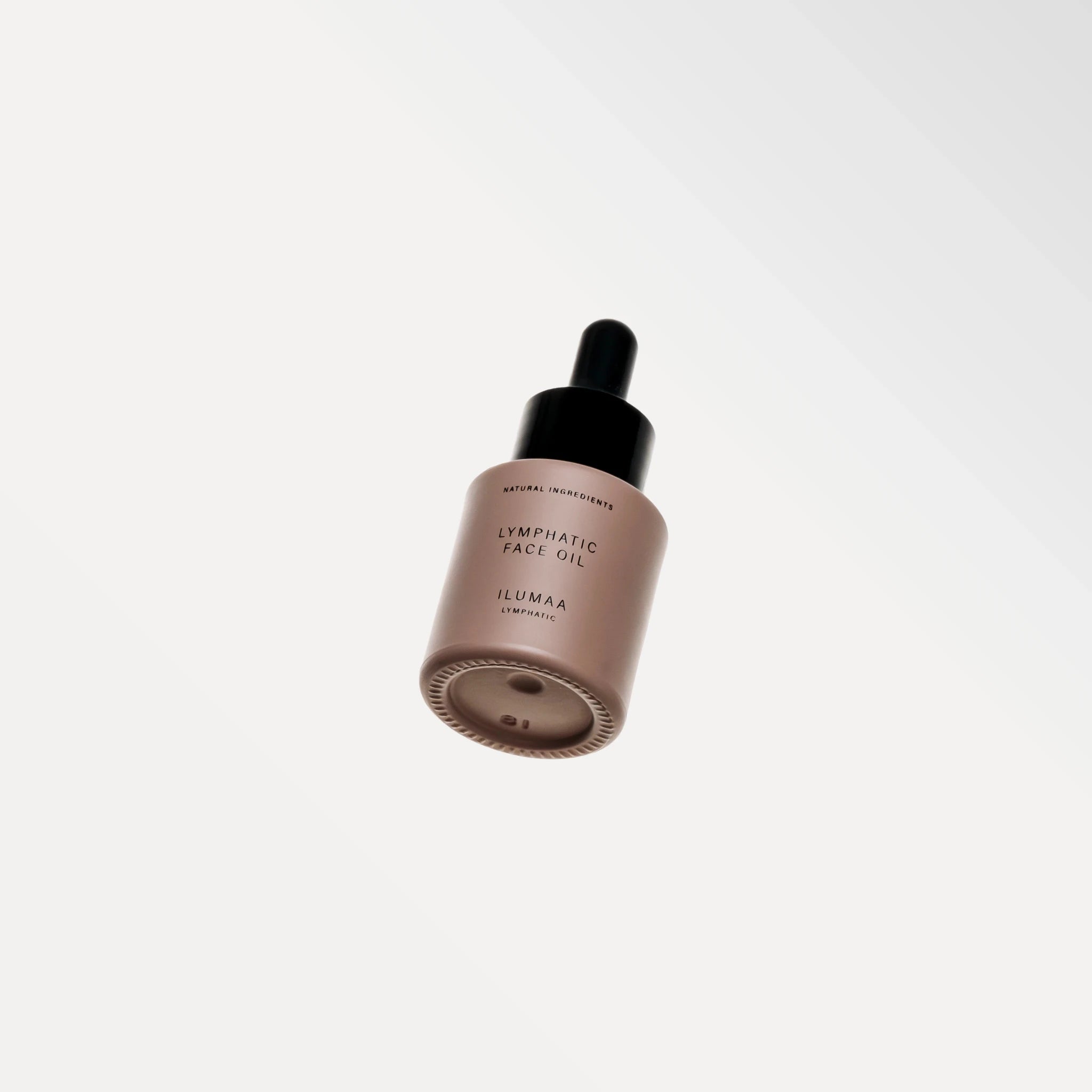
The face contains numerous lymph nodes and vessels that respond beautifully to gentle drainage techniques. Facial lymphatic care addresses puffiness, promotes radiance, and supports the skin's natural renewal processes. Using lymphatic face oil as a medium, perform gentle sweeping motions from the center of the face outward and downward toward the neck.
Facial Lymphatic Drainage Sequence:
Begin with three deep breaths to activate the thoracic pump
Use fingertips to make gentle pumping motions at the base of the neck
Sweep from the center of the forehead to the temples
Move from beside the nose outward along the cheekbones
Massage from the chin along the jawline toward the ears
Finish with downward strokes along the neck
This ritual takes just five minutes yet delivers visible results when performed consistently. The combination of mechanical stimulation, plant-based nutrients, and mindful attention creates a powerful practice.
Sauna and Thermal Therapies
Alternating heat and cool temperatures stimulates circulation and encourages lymphatic movement. Infrared saunas, in particular, generate deep tissue warming that promotes fluid movement without the cardiovascular stress of traditional high-heat saunas. Following sauna sessions with cool showers or plunges creates a pumping effect in lymphatic vessels.
Lymphatic alkaline bath rituals offer a gentler thermal approach. The alkaline minerals support the skin's pH balance while warm water encourages relaxation and subtle lymphatic stimulation. Add aromatherapeutic essential oils to enhance the sensory and therapeutic experience.
Creating Your Personal Lymphatic Care Routine
Understanding how to drain your lymphatic system becomes truly effective when integrated into a sustainable, personalized routine. The most beneficial approach combines several modalities rather than relying on any single technique.
Morning Activation Ritual
Begin each day with practices that stimulate lymphatic flow after the overnight rest period:
Large glass of room-temperature water with lemon
Five minutes of diaphragmatic breathing
Gentle stretching or yoga poses that invert the body
Dry brushing before showering
Application of magnesium spray to areas of tension
This sequence takes 15-20 minutes and establishes a foundation for optimal lymphatic function throughout the day.
Evening Restoration Practice
Evening rituals support the body's natural overnight drainage and regeneration processes:
Gentle self-massage with nourishing body oil
Facial lymphatic drainage with specialized face oil
Legs-up-the-wall pose for 10-15 minutes
Alkaline tea to support mineral balance
Diaphragmatic breathing before sleep
The evening routine emphasizes relaxation and preparation for restorative sleep, when the body performs its deepest regenerative work.
Weekly Intensive Care
Dedicate time once or twice weekly for more comprehensive lymphatic support:
Extended movement session (swimming, rebounding, or flowing yoga)
Full-body dry brushing followed by oil massage
Alkaline bath with mindful breathing
Professional lymphatic treatment (monthly or quarterly)
This layered approach-daily essentials, weekly intensives, and periodic professional support-creates comprehensive lymphatic care that adapts to your body's changing needs. Explore ILUMAA's complete product range to discover formulations that support each aspect of your lymphatic wellness journey.
Learning how to drain your lymphatic system through gentle, consistent rituals transforms both how you feel and how you appear. These practices honor the body's innate intelligence while providing tangible support for optimal function. ILUMAA LYMPHATIC offers thoughtfully crafted, scientifically inspired products that elevate your lymphatic care routine into a daily ritual of self-renewal. Explore the complete range of plant-based formulations designed to support your journey toward radiance, lightness, and lasting vitality.
Read more
Entdecken Sie natürliche Methoden, um Ihren Lymphfluss anzuregen. Praktische Rituale für strahlende Haut, Leichtigkeit und Wohlbefinden.
Magnesiumformen im Vergleich: Erfahren Sie, welches Magnesium bei Krämpfen wirklich unterstützt und wie transdermale Anwendung funktioniert.